














Handcrafted chocolates vs Mass-produced sweets for Ramadan gifting
Handcrafted Chocolates vs Mass-Produced Sweets
When it comes to Ramadan gifting, one choice often sets meaningful gifts apart from ordinary ones: the decision between handcrafted chocolates and mass-produced sweets. Both have their place in celebrations, but the intention behind giving — and the experience created for the recipient — can be very different. At Cacao and Cardamom, we believe that handcrafted chocolates offer a depth of connection that aligns beautifully with the spirit of Ramadan.
In this article, we explore the differences between handcrafted chocolates and mass-produced sweets, why one often feels more meaningful for Ramadan gifting, and how that choice shapes the recipient’s experience.
What Makes Handcrafted Chocolates Special?
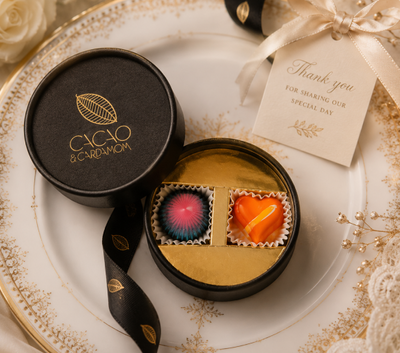
Handcrafted chocolates are created in small batches with intention at every step of the process. Unlike mass-produced sweets, they are not made for volume alone. Each piece reflects careful consideration of ingredients, texture, and flavor balance — something that is immediately noticeable in both taste and presentation.
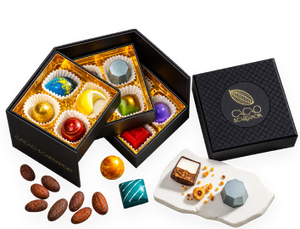
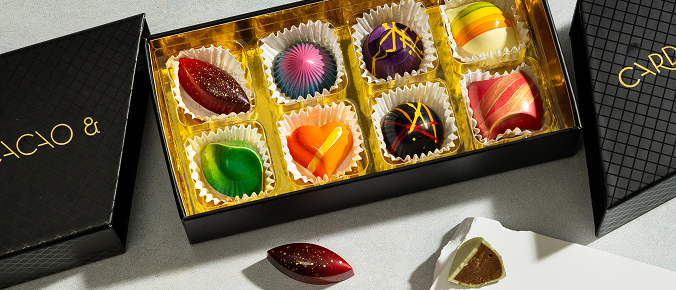
When you gift handcrafted chocolates during Ramadan, you are offering more than sweetness. You are offering a moment of care and refinement. Thoughtfully curated selections such as the Barakah Deluxe Gift Box exemplify this approach, featuring balanced assortments designed to be shared slowly and enjoyed mindfully after iftar.
Handcrafted chocolates often feature subtle flavor combinations, refined sweetness, and a calm elegance that aligns naturally with Ramadan’s emphasis on intention and moderation.
The Nature of Mass-Produced Sweets
Mass-produced sweets are designed primarily for consistency, convenience, and scale. While they can be enjoyable, they often rely on simplified flavor profiles and repetitive textures. Production focuses on speed and uniformity rather than nuance.
For everyday snacking, mass-produced sweets may be sufficient. But during Ramadan — a month rooted in mindfulness and reflection — they can feel impersonal compared to handcrafted gifts chosen with care. In contrast, artisan collections like the Ramadan Layali Crescent Box feel intentional and seasonally appropriate, reflecting the quieter, more reflective tone of Ramadan evenings.
Flavor and Texture Differences
One of the clearest distinctions between handcrafted chocolates and mass-produced sweets is depth of flavor and texture. Handcrafted chocolates are typically made with higher-quality cocoa, real ingredients, and thoughtfully layered flavors. Artisans focus on mouthfeel, balance, and how flavors unfold gradually.
Mass-produced sweets often contain higher sugar levels, artificial flavoring, and stabilizers to maintain uniformity. For someone breaking a fast and seeking something gentle yet satisfying, this difference becomes immediately apparent.
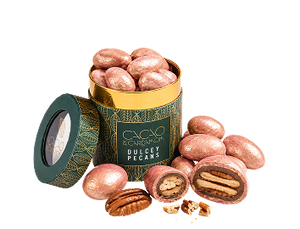
Traditional elements like dates also benefit from this artisanal approach. The Chocolate Covered Dates (8-Piece) demonstrate how craftsmanship can elevate a familiar Ramadan staple into something refined, balanced, and deeply meaningful.
Presentation and Thoughtfulness
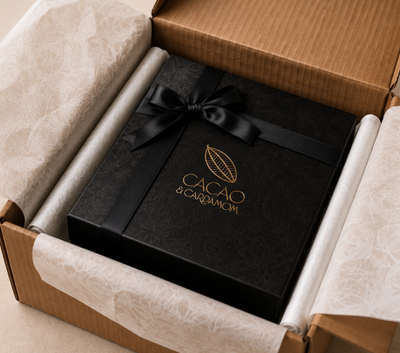
Presentation plays a powerful role in Ramadan gifting. Handcrafted chocolates are usually packaged with elegance and intention, making the act of opening the gift part of the experience. Clean layouts, thoughtful spacing, and subtle design communicate respect for both the recipient and the occasion.
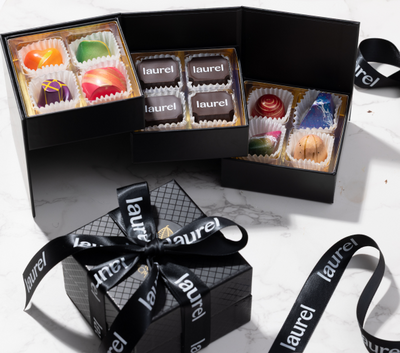
Mass-produced sweets, by contrast, are packaged for efficiency and shelf life. While familiar, they lack the sense of care that defines a truly thoughtful Ramadan gift. For celebratory moments such as Eid, elevated handcrafted assortments like the Eid Jewelry Box (24-Piece) combine generous variety with keepsake-style presentation — something mass-produced items rarely achieve.
Emotional Connection and the Gifting Experience
During Ramadan, gifting is an expression of intention. A handcrafted chocolate gift quietly communicates, “I chose this with care.” It reflects mindfulness, respect, and appreciation for quality.
Mass-produced sweets may still be welcomed, but they often communicate convenience rather than personal thought. When the goal is to make someone feel genuinely valued during a sacred month, handcrafted chocolates carry an emotional resonance that mass-produced items typically do not.
Supporting Artisans and Craftsmanship
Choosing handcrafted chocolates also means supporting artisans and small-batch craftsmanship. It sustains culinary creativity and traditions that prioritize quality over speed and scale.
For recipients who value craftsmanship, this adds another layer of meaning. They are not just receiving chocolates — they are receiving thoughtfully made creations shaped by skill and intention.
Conclusion
When choosing between handcrafted chocolates and mass-produced sweets for Ramadan gifting, the difference extends far beyond price or convenience. Handcrafted chocolates bring intention, elegance, balance, and emotional depth to the experience — qualities that resonate deeply with the spirit of Ramadan.
Mass-produced sweets may be enjoyable, but they rarely offer the refinement or meaning that handcrafted chocolates provide. At Cacao and Cardamom, we design our chocolates to feel intentional, memorable, and worthy of the season — making them ideal for Ramadan gifting that reflects care, connection, and celebration.
